|
Fall Plant Sale October 3! ͏ ͏ ͏ ͏ ͏ ͏ ͏ ͏ ͏ ͏ ͏ ͏ ͏ ͏ ͏ ͏ ͏ ͏ ͏ ͏ ͏ ͏ ͏ ͏ ͏ ͏ ͏ ͏ ͏ ͏ ͏ ͏ ͏ ͏ ͏ ͏ ͏ ͏ ͏ ͏ ͏ ͏ ͏ ͏ ͏ ͏ ͏ ͏ ͏ ͏ ͏ ͏ ͏ ͏ ͏ ͏ ͏ ͏ ͏ ͏ ͏ ͏ ͏ ͏ ͏ ͏ ͏ ͏ ͏ ͏ ͏ ͏ ͏ ͏ ͏ ͏ ͏ ͏ ͏ ͏ ͏ ͏ ͏ ͏ ͏ ͏ ͏ ͏ ͏ ͏ ͏ ͏ ͏ ͏ ͏ ͏ ͏ ͏ ͏ ͏ ͏ ͏ ͏ ͏ ͏ ͏ ͏ ͏ ͏ ͏ ͏ ͏ ͏ ͏ ͏ ͏ ͏ ͏ ͏ ͏ ͏ ͏ ͏ ͏ ͏ ͏ ͏ ͏ ͏ ͏ ͏ ͏ ͏ ͏ ͏ ͏ ͏ ͏ ͏ ͏ ͏ ͏ ͏ ͏ ͏ ͏ ͏ ͏ ͏ ͏ ͏ ͏ ͏ ͏ ͏ ͏ ͏ ͏ ͏ ͏ ͏ ͏ ͏ ͏ ͏ ͏ ͏ ͏ ͏ ͏ ͏ ͏ ͏ ͏ ͏ ͏ ͏ ͏ ͏ ͏ ͏ ͏ ͏ ͏ ͏ ͏ ͏ ͏ ͏ ͏ ͏ ͏ ͏ ͏ ͏ ͏ ͏ ͏ ͏ ͏ ͏ ͏ ͏ ͏ ͏ ͏ ͏ ͏ ͏ ͏ ͏ ͏ ͏ ͏ ͏ ͏ ͏ ͏ ͏ ͏ ͏ ͏ ͏ ͏ ͏ ͏ ͏ ͏ ͏ ͏ ͏ ͏ ͏ ͏ ͏ ͏ ͏ ͏ ͏ ͏ ͏ ͏ ͏ ͏ ͏ ͏ ͏ ͏ ͏ ͏ ͏ ͏ ͏ ͏ ͏
Annual Plant Sale Saturday, October 3 Last Butterfly Walks of the Season Saturday, October 17 Family Friendly Tour Sunday, October 25 Halloween Spooky Plant Tour Saturday, October 31 Birds in the Botanic Garden Regional Parks Botanic Garden Docent Training
Photo by Sandy Steinman.
|
Annual Fall Plant Sale Saturday, October 3
10:00 a.m. to 2:00 p.m.Don’t miss the Garden's annual fall plant sale! Public sale hours are 10:00 a.m. to 2:00 p.m., with exclusive access for Friends members starting at 9:00 a.m. Friends memberships may be purchased at the Garden starting at 8:30 a.m. on the day of the sale, or in advance on the Garden website.
|
|
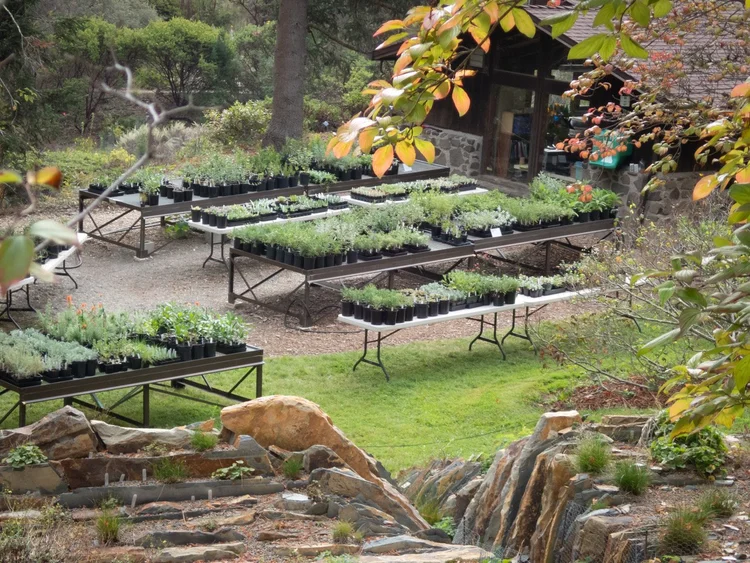
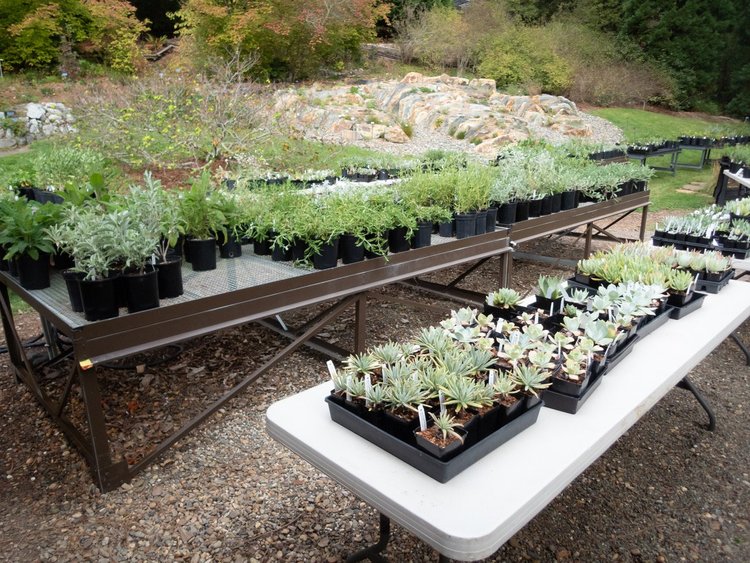
The sale will feature a wide array of California native plants, many rare and hard-to-find, propagated and grown from the Regional Parks Botanic Garden collection. See the Plant Sale inventory HERE. Photo: Sandy Steinman |
|
|
|
Directions to the Garden. This year’s inventory features over 5,000 plants, offering an exceptional selection of California native flora: Manzanitas (Arctostaphylos): A comprehensive range of cultivars and species, featuring structural form and striking evergreen foliage. Monkeyflowers (Diplacus): A vibrant rainbow of colors suited for sunny, low-water borders. Paintbrush (Castilleja): Offered alongside their natural host plants to ensure successful establishment. Perennials & Pollinator Favorites: An abundance of showy penstemons, aromatic salvias, hardy buckwheats, and many more native choices.
Below are a few highlights featured in the October 3 sale:
|
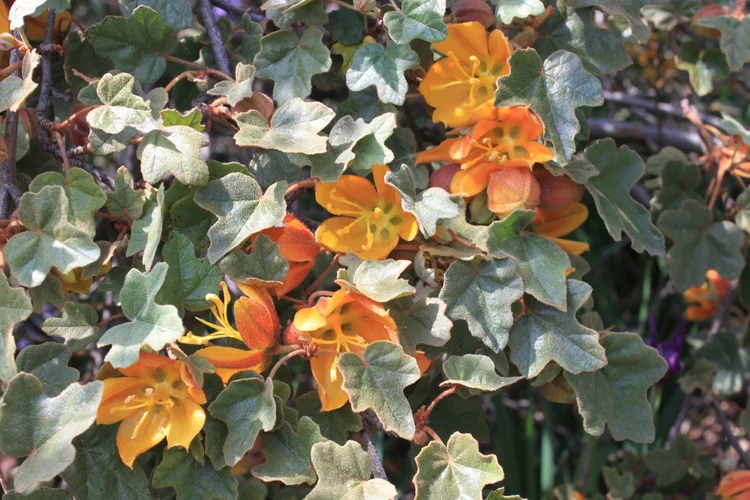
XChiranthofremontia lenzii 'Mini Mammoth' (aka: "brown fuzz") Newly named (finally) in 2026! The original hybrid is Chiranthodendron pentadactylon x Fremontodendron 'Pacific Sunset'. This clone was grown from seed from an open pollinated XChiranthofremontia lenzii 'Griff's Wonder' This clone has orangish-colored flowers; tolerates regular watering. Spreading habit to 8'+ tall and considerably wider. |
|
|
|
|
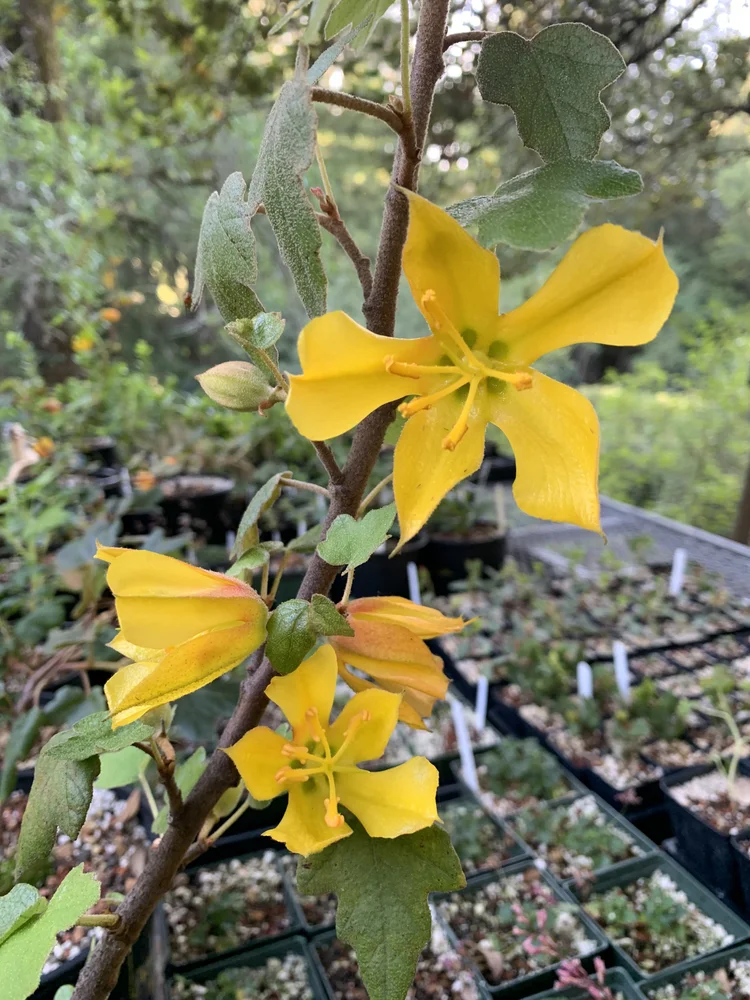
XChiranthofremontia lenzii ‘Big Deal’ (aka: "dwarf" but isn't! ) Newly named in 2026! First time ever sold. The original hybrid is Chiranthodendron pentadactylon x Fremontodendron 'Pacific Sunset'. This clone was grown from seed from an open pollinated XChiranthofremontia lenzii 'Griff's Wonder'. This clone has cantaloupe-colored flowers (not as yellow as the photo); tolerates regular watering. Upright growth habit, height and spread are unknown, as the original plant “died” after 15 years but then vigorously came back from the base and reach half its original height in one year. The original plant of this clone was less than 1/3 the height of all but two of the other 30+ seedlings, and was about less than eight feet tall and five feet wide when it “died.” |
|
|
|
We also have a new manzanita cultivar: Arctostaphylos ‘Wildcat.’ This low growing selection has been growing in the Canyon section (uppermost trail) since 2013. It has blue-green foliage, a low growth habit (to about two feet tall and six to eight feet wide) and cascades downslope. We have quite a few different collections of Arctostaphylos pallida in this year’s sale (a total of 52 individuals for sale), including (for the first time ever) nine that were grown from vandalized material from the Sobrante Ridge population. We also have MANY ferns, including several that we have not grown from spores before (some are in small quantities!), a few of our offerings in 2026 are: Adiantum capillus-veneris (from travertine falls off of Mt. Baldy (San Antonio) Canyon) Aspidotis densa Cystopteris fragilis Dryopteris arguta (special low price for the small-pot sized plants) Myriopteris newberryi Pellaea andromedifolia Pentagramma pallida (from Tollhouse area) Pentagramma viscosa (ex: Kier W.) Polystichum dudleyi
And many more!
|
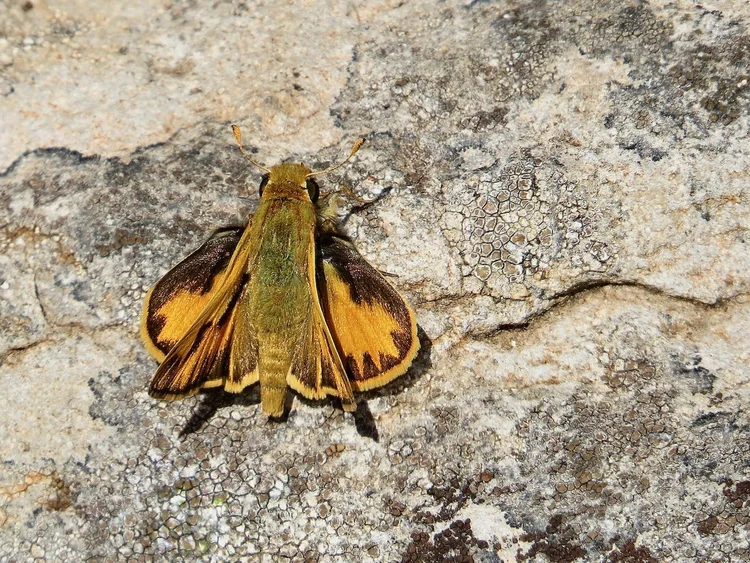
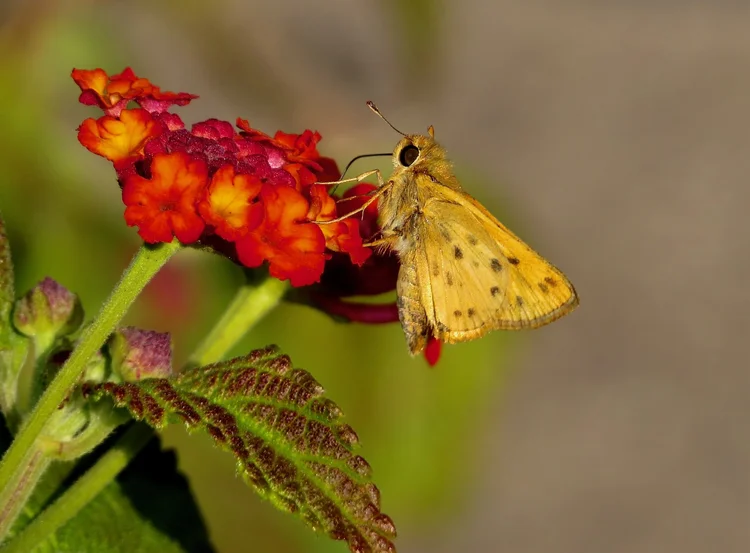
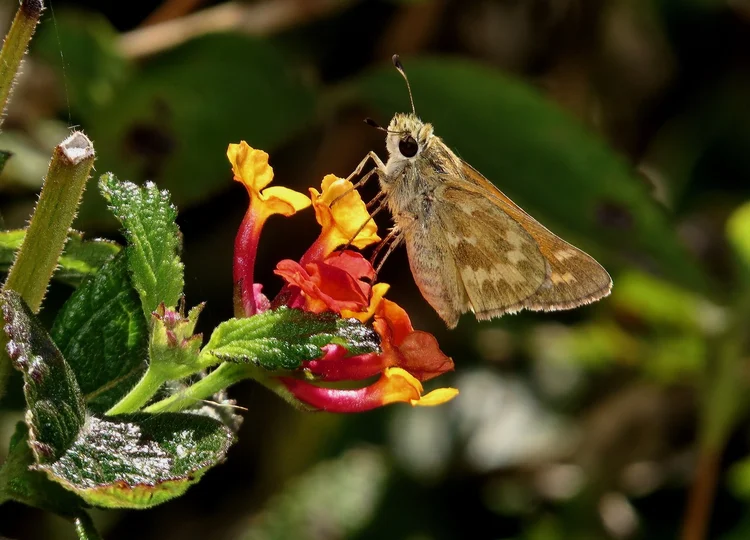
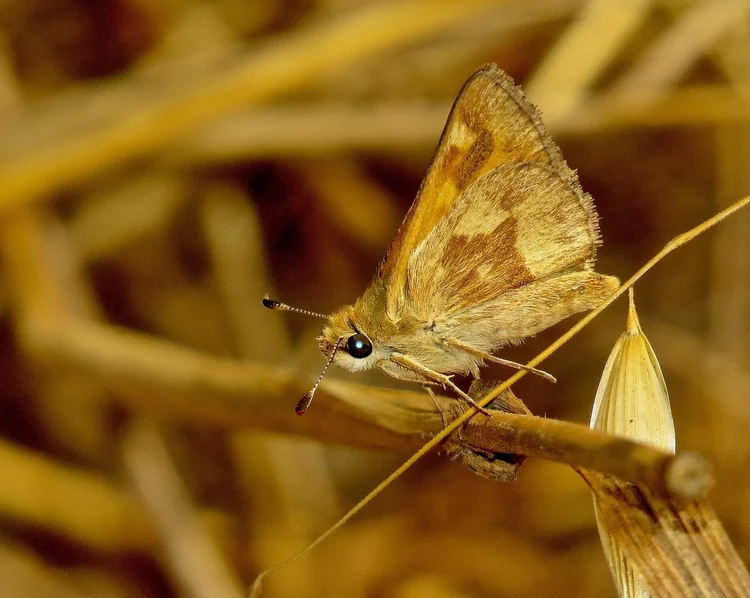
Butterfly Walks Saturday, October 17Join Sarab Seth in the Regional Parks Botanic Garden for the last guided butterfly walks of the season on Saturday, October 17th. Two walks are scheduled, at 1:00 p.m. and 2:15 p.m. Each walk is limited to ten participants and starts at the Garden’s Wildcat Canyon Entrance. Walks are free, but reservations are required. Reserve here. September had more butterfly activity than normal this year; hopefully, October will too. If we have good weather on the day of the walks, we can hope to see 7 or 8 species. Likely sightings include cabbage white (Pieris rapae), California pipevine swallowtail (Battus philenor hirsuta), field crescent (Phyciodes pulchella), fiery skipper (Hylephila phyleus), mylitta crescent (Phyciodes mylitta), and umber skipper (Lon melane). Common checkered-skipper (Burnsius communis), field skipper (Atalopedes campestris), woodland skipper (Ochlodes sylvanoides) are all possible. Umber skippers are usually seen in good numbers in October, and it is common to see multiple courting pairs on a 60-minute walk.
|
|
Where to Look Right Now : The area around the large circular bed in the Channel Island section is still a great spot, although the number of species seen here fluctuates. Expect to see cabbage white, field crescent, fiery skipper, mylitta crescent, and umber skipper, as well as California pipevine swallowtail fly-bys. The asters along the creek near the Sea Bluff end of the long bridge are now in full bloom. Expect cabbage white, field crescent, fiery skipper, mylitta crescent, and umber skipper in decent numbers. The Santa Susana Tarplant (Deinandra minthornii) bushes near the entrance are still a huge magnet for fiery skippers, field skippers and woodland skippers. It can be hard to pick out the field skippers and woodland skippers from the fiery skippers, but field skippers and woodland skippers are seen there on every visit now. California pipevine swallowtail adults can be seen in many parts of the Garden, including the area around the large California pipevine (Aristolochia californica) plant on the east side of the long bridge. There are still some caterpillars on the plant, but the new growth of leaves is disappearing fast, which makes the caterpillars harder to find. Most of the chrysalises on the long bridge got parasitized by wasps; there is only one left at this point. But there are still five chrysalises on the Chrysalis Shed (on the upper path, just south of the Channel Island section).
Binoculars help a lot, especially close-focus ones. For a virtual walk, see the butterfly pages on the Garden website: https://nativeplants.org/guides/butterflies-in-the-garden Text and photos by Sarab Seth. Sarab Seth is a butterfly photographer and docent at the Botanic Garden.
|
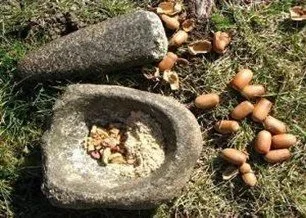
Family Friendly Tour: California Native Peoples and Plants. Sunday, October 25, 2:00 pm.Please join us at the East Bay Regional Parks Botanic Garden for a special family-friendly California native people and plants tour.
|
|
On this tour, you grind acorns, wash your hands with soap root, play the staves game, and see artifacts and the plants that are used to make them. This is a docent lead family-friendly tour; no reservations needed. Meet in front of the Botanic Garden Visitor Center. Rain cancels. |
|
|
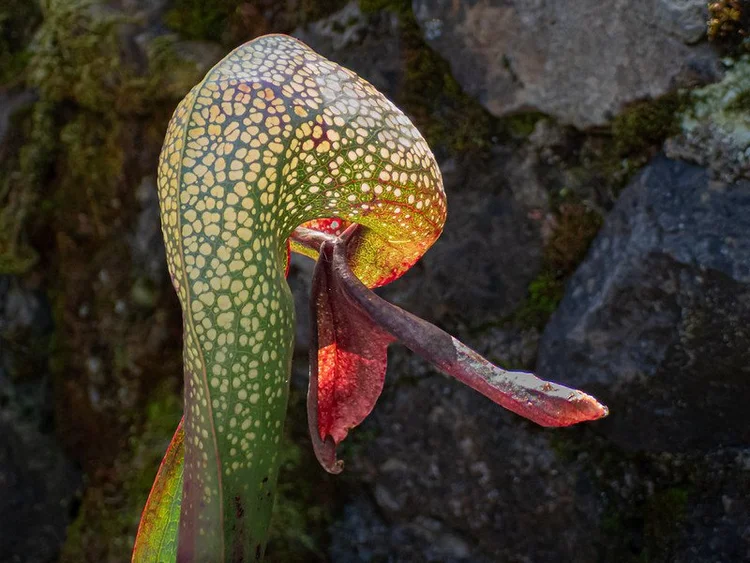
Spooky Plant Tour Saturday, October 31, 2:00 pm.Celebrate Halloween with a special walking tour of the Botanic Garden to discover the spookiest, creepiest plants. From flesh-eating carnivorous plants to thorny and poisonous specimens, learn why some plants look so scary and how these strange features help them survive.
|
Join us for eerie tales in the autumnal Garden to put you in the Halloween spirit! Meet in front of the Botanic Garden Visitor Center; no reservations needed. Rain cancels. Photo: California pitcher plant (Darlingtonia californica) by Sandy Steinman. |
|
|
|
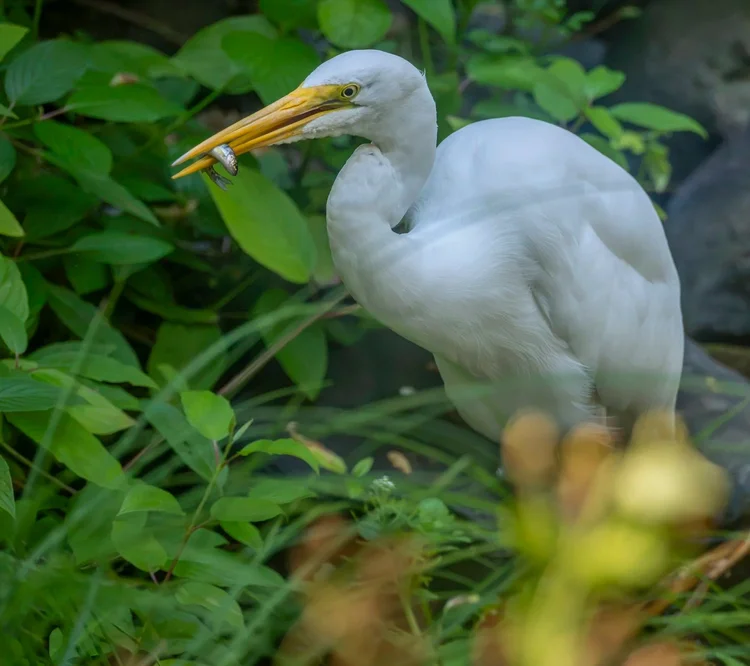
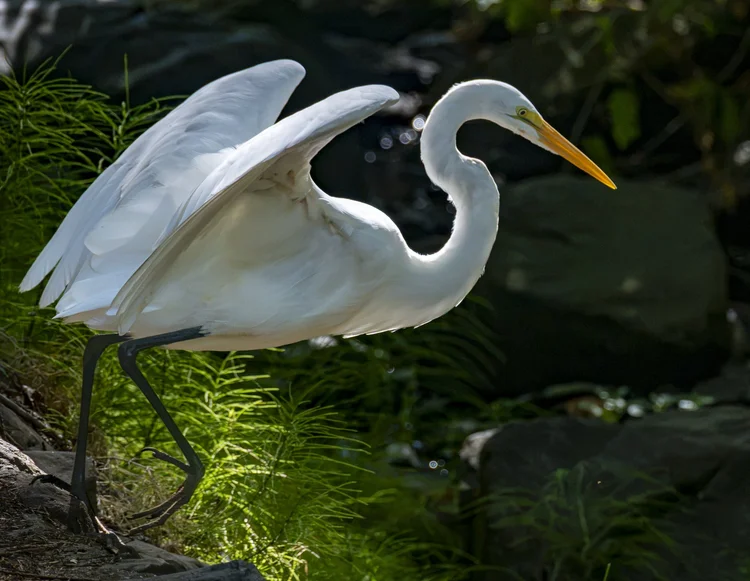
Birds in the Botanic GardenBeth Reuter. Sometimes a walk through the Botanic Garden brings an unexpected surprise. While navigating the downward-sloping turn along the northern boundary of the Garden, something in my peripheral vision caught my attention. As I approached Wildcat Creek, a large white shape slowly resolved into a Great Egret. My eyes confirmed what my brain was having trouble accepting: a large bird with a long yellow beak, an elegant curved neck, and beautiful white feathers. The egret promptly snapped up a fish and swallowed it whole. Then, as if to make sure I understood that it was really there, the bird hopped onto a rock just a few feet away. A stray sunbeam illuminated its eye and caught the edges of its feathers. After posing for a moment, it flew directly over my head and landed about eight feet away. It preened and watched me with an almost catlike curiosity before gliding back to the creek and continuing its hunt in the green, shadowy shallows. Below: Great Egret in the Botanic Garden.
|
|
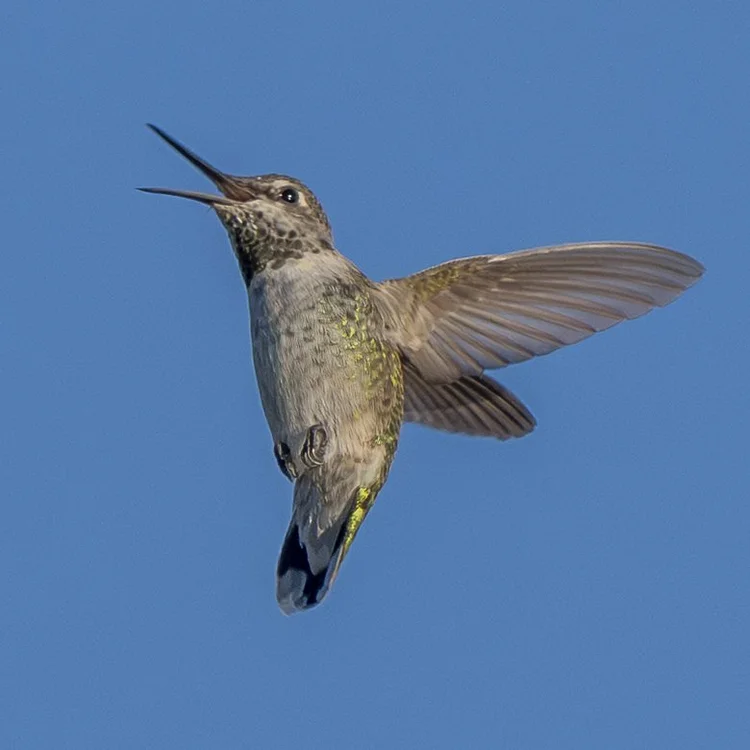
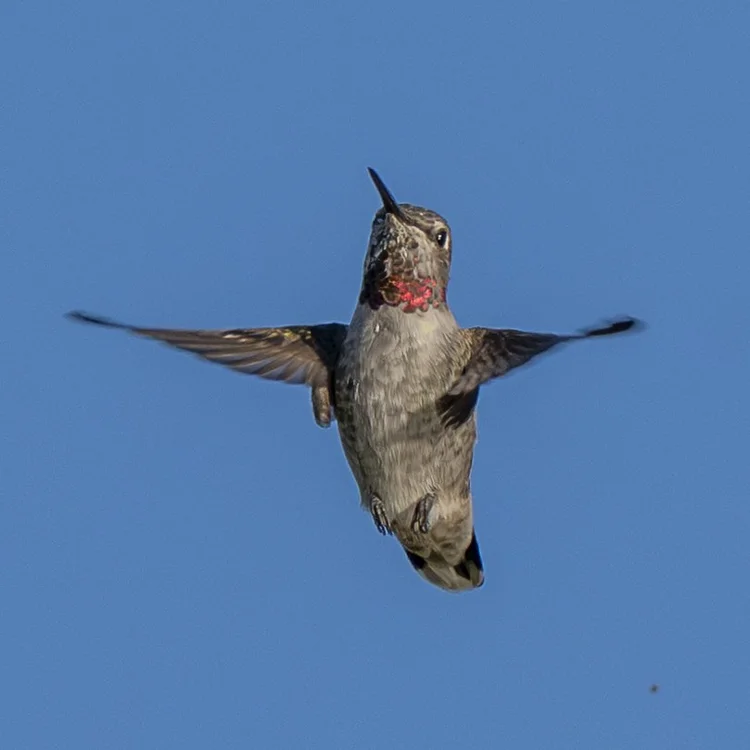
A week later, the Garden surprised me again. A loud, chattering rattle announced a shaggy-crested blue-and-white bird zooming overhead: a belted kingfisher. It perched high in a tree near the Sierran section pond, giving me a good look at its large head and long, dagger-like black beak. But the kingfisher wasn't alone. Two Anna's hummingbirds were in hot pursuit, furiously mobbing the much larger bird. Great egrets and belted kingfishers are unusual visitors to the Botanic Garden. Both are carnivores that eat fish and a variety of aquatic and terrestrial animals—prey they can find in Wildcat Creek and the Sierran section pond. But these wide-ranging hunters need a lot of food. Our creek and pond are more likely to be a snack stop than a permanent home. So why were two tiny hummingbirds, each weighing about as much as a nickel, chasing a fish-eating bird as heavy as a baseball? First, hummingbirds are known to be fierce defenders of their territory and will dive at anything they perceive as a threat, including humans (as the Garden’s head gardener can attest). They are so agile in flight that they are in little danger from a larger, less nimble bird. The size, shape and hunting behavior of a kingfisher may bear a close enough resemblance to a raptor for a buzzing attack to be worth the small risk involved. Below: Anna’s hummingbirds in the Botanic Garden.
|
|
There may also be a food-related reason for their interest in the pond. Although Anna's hummingbirds rely on nectar for energy, insects and spiders provide essential protein. They eat tiny flies such as midges and gnats, along with leafhoppers, small wasps, and ants. They glean insects from leaves and flowers and take prey caught in spider webs or trapped in sap around sapsucker holes. Many of these insects depend on native plants. California native plants support far more native insects than many ornamental plants from elsewhere, which means a garden filled with native plants can also be a garden filled with hummingbird food. I've watched hummingbirds hunting around and above the Garden's pond, darting through the air to snatch tiny flying insects such as midges, which breed in still water. There may be little nectar immediately around the pond, but the area is clearly an important part of their territory. The creek and pond may not satisfy the appetite of a larger bird for long. But these water sources, together with the native plants around them, feed more garden wildlife than you might think: midges, spiders, hummingbirds and, now and then, a surprise visitor for a sharp-eyed observer. Photos by Beth Reuter. Beth Reuter is a Garden Greeter at the Botanic Garden and is enrolled in the California Academy of Sciences/GGBA Master Birder program.
|
Become a Garden Docent in 2027A few spots are still open for our 2027 Garden Docent Training Class! Garden docents lead weekend and holiday tours, special tours for groups, and weekday tours for school groups. If you have an interest in California native plants and enjoy sharing your knowledge with others, becoming a garden docent is a fun and rewarding way to get involved.
|

|
Come learn, connect with others, and help visitors discover and appreciate the beauty of California’s native plants. Sessions will be held on Wednesday mornings, starting in January and running through June. Interested? We’d love to have you join us! Contact info@nativeplants.org with your questions. |
|
|
Weekend Garden ToursJoin our knowledgeable docents for free guided tours of the Garden on Saturdays at 2:00 p.m., and Sundays at 11:00 a.m. and 2:00 p.m. Meet at the Visitor Center. Tours usually last about an hour and are appropriate for both adults and children. You can leave a tour at any time. No reservations are needed. You can schedule a free docent-led tour for your group. Request form is HERE. See the Garden website for more information. |
|
|
|
|
|
|