|
Miracle Mile; Butterfly and Bat Walks ͏ ͏ ͏ ͏ ͏ ͏ ͏ ͏ ͏ ͏ ͏ ͏ ͏ ͏ ͏ ͏ ͏ ͏ ͏ ͏ ͏ ͏ ͏ ͏ ͏ ͏ ͏ ͏ ͏ ͏ ͏ ͏ ͏ ͏ ͏ ͏ ͏ ͏ ͏ ͏ ͏ ͏ ͏ ͏ ͏ ͏ ͏ ͏ ͏ ͏ ͏ ͏ ͏ ͏ ͏ ͏ ͏ ͏ ͏ ͏ ͏ ͏ ͏ ͏ ͏ ͏ ͏ ͏ ͏ ͏ ͏ ͏ ͏ ͏ ͏ ͏ ͏ ͏ ͏ ͏ ͏ ͏ ͏ ͏ ͏ ͏ ͏ ͏ ͏ ͏ ͏ ͏ ͏ ͏ ͏ ͏ ͏ ͏ ͏ ͏ ͏ ͏ ͏ ͏ ͏ ͏ ͏ ͏ ͏ ͏ ͏ ͏ ͏ ͏ ͏ ͏ ͏ ͏ ͏ ͏ ͏ ͏ ͏ ͏ ͏ ͏ ͏ ͏ ͏ ͏ ͏ ͏ ͏ ͏ ͏ ͏ ͏ ͏ ͏ ͏ ͏ ͏ ͏ ͏ ͏ ͏ ͏ ͏ ͏ ͏ ͏ ͏ ͏ ͏ ͏ ͏ ͏ ͏ ͏ ͏ ͏ ͏ ͏ ͏ ͏ ͏ ͏ ͏ ͏ ͏ ͏ ͏ ͏ ͏ ͏ ͏ ͏ ͏ ͏ ͏ ͏ ͏ ͏ ͏ ͏ ͏ ͏ ͏ ͏ ͏ ͏ ͏ ͏ ͏ ͏ ͏ ͏ ͏ ͏ ͏ ͏ ͏ ͏ ͏ ͏ ͏ ͏ ͏ ͏ ͏ ͏ ͏ ͏ ͏ ͏ ͏ ͏ ͏ ͏ ͏ ͏ ͏ ͏ ͏ ͏ ͏ ͏ ͏ ͏ ͏ ͏ ͏ ͏ ͏ ͏ ͏ ͏ ͏ ͏ ͏ ͏ ͏ ͏ ͏ ͏ ͏ ͏ ͏ ͏ ͏ ͏ ͏ ͏ ͏ ͏
Friends of the Garden 30th Anniversary The Miracle Mile: Sunday, August 2 Butterfly Walks in the Botanic Garden: Sunday, August 16 and Wednesday, August 19 Family-Friendly Sensory Garden Tour: Sunday, August 23 Twilight Bat Walk: Thursday, September 3 Birds in the Botanic Garden Free Garden Tours
Above: Santa Cruz Island buckwheat (Eriogonum arborescens) by Sandy Steinman.
|
Friends of the Garden 30th AnniversaryThe Anniversary Celebration is on Saturday, August 22, 5:30-7:30, after the Garden is closed to the public. This Friends-only event will be in the Botanic Garden, with catered food, music, and speakers. It will honor special guest Glenn Keator, who was instrumental in starting the Friends organization. An invitation to the Anniversary Celebration was emailed to all Friends of the Garden in early July, with registration closing July 31. If you are a member of the Friends of the Botanic Garden and did not receive the invitation, please email the newsletter editor at: info@nativeplants.org
|
|
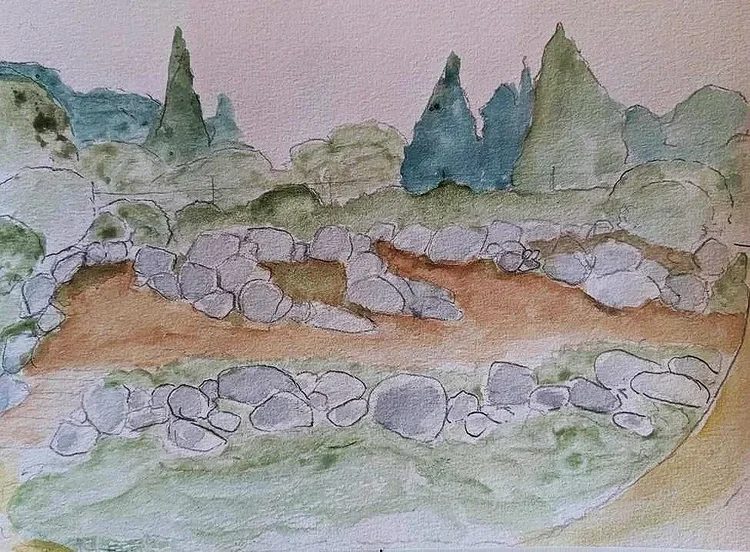
In conjunction with the 30th anniversary, the Friends are launching a campaign to raise funds for an exciting new Rock Garden and a renovated West Gate Entrance. The goal is to raise $30,000 of the projected cost. We welcome supporters at every level—click HERE to see how you can make a difference! Please make any donations before August 31, to assure allocation of funds to this project. Regional Parks Botanic Rock Garden design for Bed #705 by Luke Hass. |
|
|
The Miracle Mile: Little Duck Lake and Russian Peak Wilderness; Sunday, August 2, 10:00 a.m.
|
Glenn Keator presents another of his talks on botanical hotspots of northern California. The "Miracle Mile" in the Russian Wilderness is a famous botanical area near Little Duck Lake containing up to 18 species of conifers, representing one of the highest known conifer diversities on earth. Join us on Sunday, August 2, 10 a.m.-12 p.m., in the Garden Visitor Center. The talk is free and open to the public. |
|

|
|
|
Photo: Russian Wilderness by Michael Kauffmann.
|
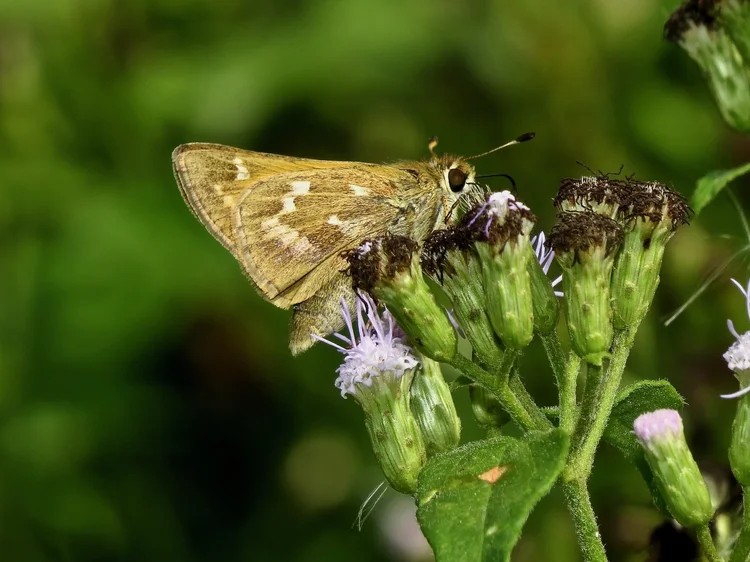
Butterfly Walks in the Botanic Garden: Sunday, August 16 and Wednesday, August 19Join Sarab Seth for guided butterfly walks in the Regional Parks Botanic Garden on Sunday, August 16th, and Wednesday, August 19th. Two walks are scheduled each day, at 1:00 p.m. and 2:15 p.m. Each walk is limited to ten participants and starts at the Garden’s Wildcat Canyon Entrance. Walks are free, but reservations are required. Register HERE. From Sarab’s Notebook: June, July, and August are usually the best months for butterflies in the Garden. But how many different species, and how many butterflies in all, are seen on a given day depends very much on the weather. On good-weather days, butterfly activity in July was at normal levels. But, just as in June, there were a lot of cold and foggy days, with much fewer butterflies than normal. Under good conditions— sunny, at least 65 degrees, and not too windy — I expect to see roughly 10 species over one hour. Likely sightings on the August walks include acmon blue (Icaricia acmon), cabbage white (Pieris rapae), California pipevine swallowtail (Battus philenor hirsuta), field crescent (Phyciodes pulchella), gray buckeye (Junonia grisea), mylitta crescent (Phyciodes mylitta), and umber skipper (Lon melane). Field skipper (Atalopedes
campestris), fiery skipper (Hylephila phyleus), gray hairstreak (Strymon melinus), and woodland skipper (Ochlodes sylvanoides) are also possible. A recent, and rare, visitor to the Garden is the anise swallowtail (Papilio zelicaon). Sightings have generally been near the upper path, between the Garden entrance and the Channel Island section. Where to Look Right Now (If You Can’t Join the Walks): The best spot right now is still the area around the large circular bed in the Channel Island section, although the number of species seen here fluctuates. Expect to see acmon blue, cabbage white, field crescent, gray buckeye, and umber skipper, as well as California pipevine swallowtail fly-bys. The Santa Susana tarplant (Deinandra minthornii) bushes near the entrance have started to bloom. For the next 8 or 10 weeks, they will be a magnet for the grass skippers: field skipper, fiery skipper, umber skipper, and woodland skipper. Some other species fly in, too. At this time of year, western tiger swallowtails come to nectar on (and pollinate) the big stand of leopard lilies (Lilium pardalinum) on the southern edge of the pond lawn. If you’re lucky, you might see a butterfly with wings and abdomen liberally dusted with orange pollen. California pipevine swallowtail adults can be seen in many parts of the Garden, including the area around the large California pipevine (Aristolochia californica) on the east side of the long bridge. There are still a few late-stage caterpillars on the pipevine. There are younger caterpillars on the small California pipevine on the north edge of the Franciscan section, at the bottom of the steps when you take the path down from the greenhouse to Wildcat Creek. There are several chrysalises on the long bridge, and on the Chrysalis Shed (on the upper path, just south of the Channel Island section). The ones on the bridge are hard to find, but the ones on the shed are easily seen on the west wall and the south wall.
|

|
|
LEFT: Fiery skipper (Hylephila phyleus) |
|
|
|
RIGHT: Anise swallowtail (Papilio zelicaon) |
|
|

|
|
|

|
|
LEFT: Woodland skipper (Ochlodes sylvanoides) |
|
|
|
RIGHT: Field skipper (Atalopedes campestris) Photos by Sarab Seth. |
|
|
|
|
|
Tip: Binoculars help a lot, especially close-focus ones. The happiest people at the end of the walk are usually the ones who brought them! Want a virtual walk? See the butterfly pages on the Garden website at: https://nativeplants.org/guides/butterflies-in-the-garden Sarab Seth is a butterfly photographer and docent at the Botanic Garden. Sarab's monthly Garden butterfly walks will continue through October.
|
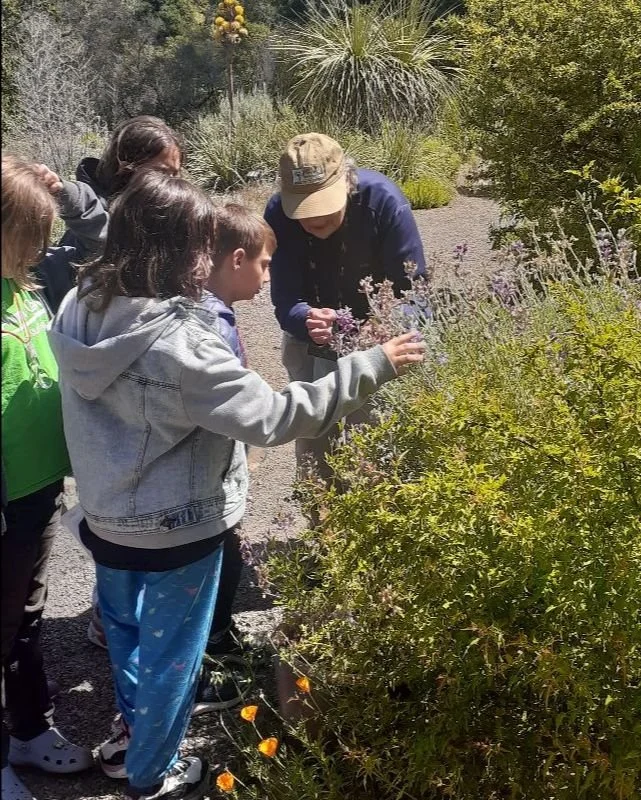
Family-Friendly Sensory Garden Tour: Sunday, August 23, 2:00 p.m.Join a docent-led walk around the Garden for a special sensory tour. Explore the Garden with hands, nose, ears, and eyes. Smell the sages, feel soft hazel leaves, listen to quaking aspen, and look for activity in the creek and pond. Distance is about 1 mile; trail surface is uneven with some inclines and stairs. Drop-in; no registration required. Meet at the Garden Visitor Center. DIRECTIONS. |
|
|
|
Twilight Bat Walk:Thursday, September 3, 7- 8:30 p.m.
|
|
The Regional Parks Botanic Garden is home to many native bats. Their sensitivity to habitat and climate disturbance makes them useful indicators of ecosystem health. Dr. Chelsea Andreozzi spent 407 summer nights monitoring bats using ultrasonic detection equipment across a spectrum of forest management types and microclimates. Her studies combining in-depth fieldwork with geographic data provide insight into what bats need to survive.
|

|
Join Dr. Andreozzi for an evening twilight bat walk here in the Garden. The evening will consist of a brief classroom portion followed by a walk through the Garden with bat monitors. Walk is limited to 30, with a maximum of two signups per person. Signup HERE. LEFT: Pallid bat (Antrozous pallidus) by Dr. Chelsea Andreozzi. |
|
|
|
Meet inside the Visitor Center Auditorium at 6:45 p.m. The Visitor Center is just inside the main gate of the Regional Parks Botanic Garden located at the corner of Wildcat Canyon Road and South Park Drive. NOTE: for navigating the Garden after dark, please bring a flashlight! Dr. Chelsea Andreozzi is a multidisciplinary environmental scientist; passionate about supporting healthy ecosystems and communities through science and stakeholder engagement.
|
Birds in the Botanic GardenText and photos by Beth Reuter Heading towards the pond, I did not expect to see a four-foot-tall bird land and snatch up a lizard for its breakfast. But such is an encounter with a Blue Heron. Silent while hunting, these predators strike with unerring accuracy. I'm always amazed at how they throw their heads back and toss their prey in the air, swallowing it whole. Seconds after the lizard became breakfast, the heron was elegantly stalking towards the quaking aspen to find its next meal. RIGHT: Blue heron. |
|

|
|
|
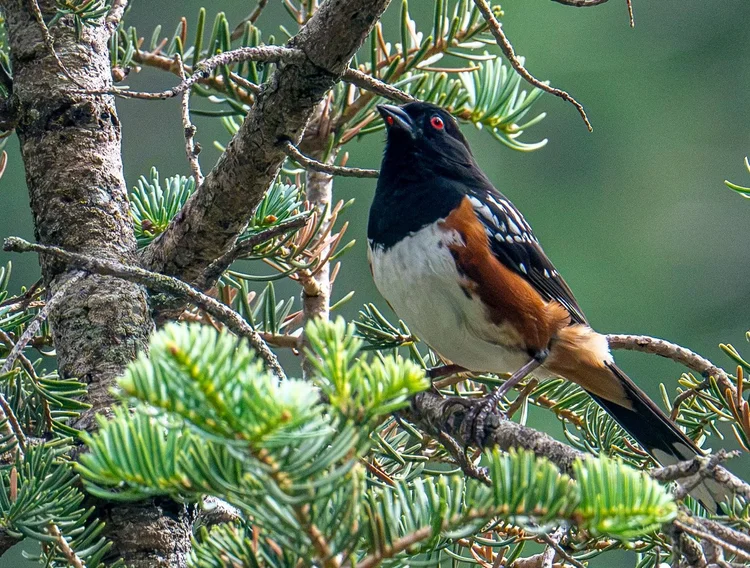
Not stalking but perching is a favorite activity of the Spotted Towhee. I regularly find one sitting on his favorite perch, the upper branches of a white pine in the Sea Bluff section. This stunning bird sports a glossy black head and back, rufous sides, white belly, and white-spotted back. With one red eye on me, this beautiful homesteader professes ownership of the spot with his screechy, cat-like call, interspersing that with his best impersonation of a sci-fi ray gun. LEFT: Spotted towhee. |
|
|
|
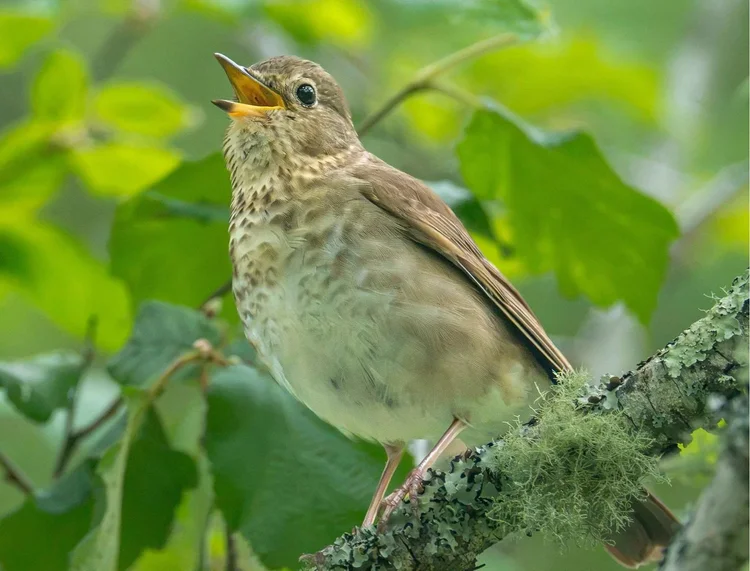
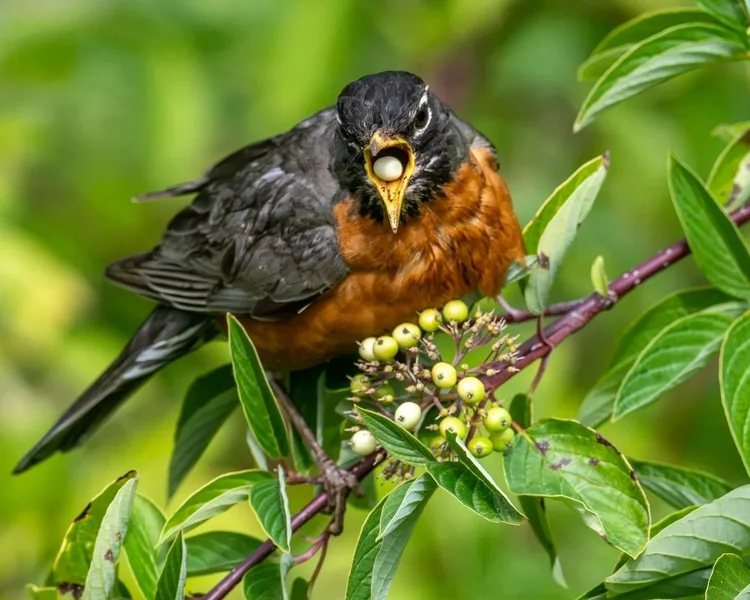
Whereas Spotted Towhees are homesteaders, American Robins pop up everywhere berries are found. The garden's coffeeberry, barberry, and manzanita all seem to be growing robins along with their bounty of fruit. This bird shares a color scheme with the Spotted Towhee, but reconfigured, with a gray-black head and back, orange-red belly, and white circling their eyes and under their tails. Robins are members of the thrush family, known for highly developed control of their songs. They use this control to produce a fast, rhythmic series of liquid, rising and falling whistles often described as "cheerily, cheer up, cheerily, cheer up.” Where the robin is ubiquitous, their relative, the Swainson's Thrush, is enigmatic. Their song, an upward-spiraling ethereal harmonic, is produced by singing two notes at once. This gives it a ventriloquial quality, causing the sound to bounce off foliage and making the bird seem like it is moving quickly or singing from much farther away than it actually is. BELOW, LEFT: Swainson’s thrush; RIGHT: American robin.
|
|
Hoping to see the bird, I followed the song from section to section — Santa Lucia, Channel Islands, Franciscan — sometimes seeing a spotted breast or yellow beak. I gave up looking and rested on the bench near the glasshouse. As I let my gaze wander through the trees in the Canyon section, a flicker of movement caught the corner of my eye. I turned my head and stared directly into the eyes of a Swainson's Thrush. Head cocked slightly, he looked at me and started singing. Time stopped as I was wrapped in a world of trees and sky and song. Beth Reuter is a Garden Greeter at the Botanic Garden and is enrolled in the California Academy of Sciences/GGBA Master Birder program.
|
Free Garden ToursYou're invited to our free, docent-guided tours every weekend and on Park District holidays! Explore the Garden sights with us on Saturdays and Park District holidays at 2:00 p.m., and Sundays at 11:00 a.m. and 2:00 p.m. You care invited to schedule a free docent-led tour for your group. Request form is HERE.
|
|
|
|