$$PLAIN_TEXT_PREVIEW$$

View in Browser

Friends of the Regional Parks Botanic Garden

THE BOTANIC GARDEN NEWSLETTER
February 2025

  • Wayne Roderick Lectures

  • Classes: Botanizing California, and: Woven and Coiled Baskets

  • Refugio Manzanita

  • New Manzanita Issue on Milkweeds

  • February Plant Sales

  • Tours and What’s Blooming Now

Photo above: Common trillium (Trillium chloropetalum) by John Rusk.


Wayne Roderick Lecture Series

Join us for our Wayne Roderick Lecture series on Saturday mornings at 10:30 a.m. in the Botanic Garden Visitor Center auditorium. (February 1 presentation is ZOOM only; see below.)

These presentations are enjoyable for beginners and professionals alike. All lectures are free and open to the public.

  • February 1: Richard Hayden, “The High Line: Wild by Design.” This lecture will be via ZOOM only. Entrance to ZOOM starts at 10 a.m.; the talk begins at 10:30 a.m. ZOOM SIGNUP

  • February 8: Bob Case, “Beartooth Range in Montana.”

  • February 15: Greti Sequin, “The Chemistry of Weeds.”

  • February 22: Dee Himes, “California Calochortus Treasure Hunt.”

  • March 1: Bart O’Brien, “New Zealand Plants & Gardens.”

Available now: January 4, 2025, recorded lecture: Carol Bornstein, "My Involvement with California Native Plant Cultivars."

See the full list of upcoming talks and the ZOOM signup on the Garden website.


Classes

Botanizing California

March 8 and 22, May 10, 17 and 24, and June 7
10:00 a.m.–12:00 p.m.

Glenn Keator presents a series that will focus on plant habitats and adaptations to plants in a wide variety of different regions of California, including the North Coast Ranges, the Northern Mountains, the Sierra foothills, the High Sierra, the Deserts, and the Channel Islands.

Glenn Keator has taught at Merritt College, SF Botanical Garden, College of Marin, and California Academy of Sciences, among others. His primary focus is on California native plants – their identification, ecology, uses, and cultivation in local gardens.

$150.00

 Register 

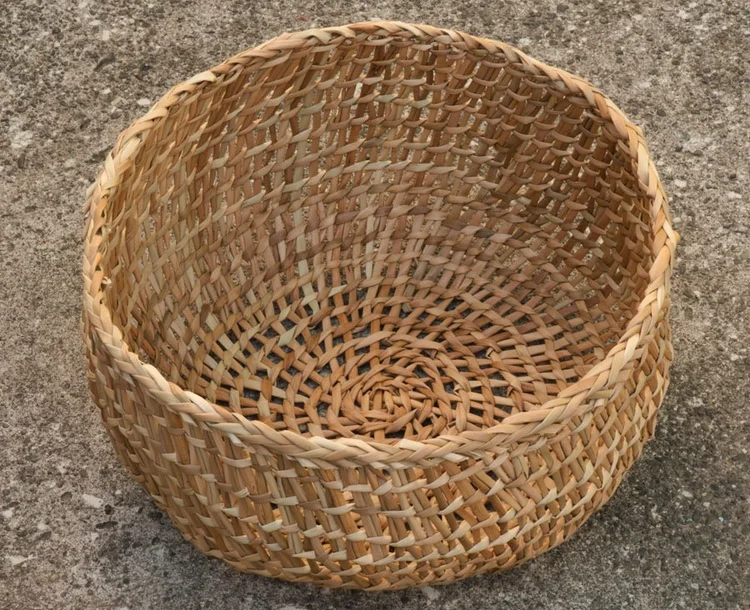
Open-Weave Twined Rush Basket

Sunday, March 16
10:00 a.m.–4:00 p.m.

In this class taught by Charles Kennard, participants will make an open-weave basket, choosing from several species of rush (Juncus) species to work with.

Charles Kennard of San Anselmo is a long-time basket weaver and student of California Indian and other traditional basketry techniques of the world. He has taught for the Point Reyes Field Institute, East Bay Regional Parks Botanic Garden, Fibershed, the Laguna Center and in many schools and teacher trainings.

$100.00

 Register 

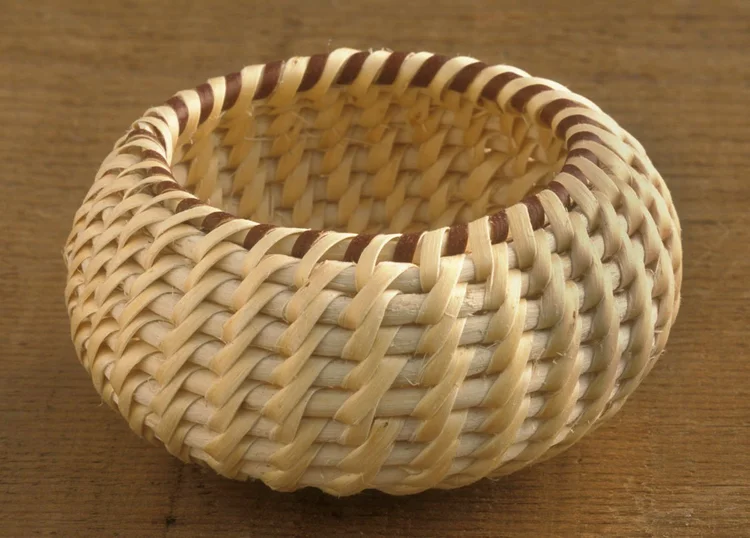
Coiled Willow Basket

Sunday, May 18
10:00 a.m.–4:00 p.m.

In this class taught by Charles Kennard, participants will learn how to split and trim willow to prepare weavers, and then begin a small basket with a foundation of whole willow. Participants can choose whether to use a gap stitch or close weaving.

$100.00

 Register 
 

Refugio Manzanita

By Sandy Steinman

Now is a great time to see my favorite manzanita, Refugio manzanita (Arctostaphylos refugioensis). It is currently in full bloom in the Santa Lucia section of the Garden.

Refugio manzanita usually has the white, urn-shaped flowers and red fruits typical of all manzanitas and striking red-purple bark. However Bart O’Brien, Garden Director, notes that the flower color of the plant in the Botanic Garden can vary from year to year and in many years has displayed a deep pink color.

This species can grow 7-13 feet tall and 7 feet wide, and thrives on sandstone soils, as is characteristic of chapparal plants. It is endemic to Santa Barbara County, where it is found along the coast, particularly around Refugio State Beach and into the Santa Ynez Mountains.

Manzanitas are members of the Ericaceae, or heather, family. This particular species is listed as a species of special concern by the California Native Plant Society, meaning it is at risk of becoming an endangered plant. Threats include habitat loss, fragmentation, and climate change.

As an important part of the California ecosystem, the Refugio manzanita provides food and shelter for a variety of wildlife, including birds, mammals, and insects, and is an important food source for the endangered California gnatcatcher. It is also used in landscaping and for erosion control.

One of the showier manzanitas, it can be an excellent garden plant. It is drought-tolerant and deer-resistant and can handle temperatures down to at least 8° Fahrenheit. It can tolerate clay and is a fast grower. It thrives in our mild climate area, but can also do well in cultivation in hotter and colder inland areas.

Sources for this article include Calscape, Wikipedia, CNPS, and Las Pilitas Nursery.

Arctostaphylos refugioensis 'Pink Glory' in 2025. Photo by Sandy Steinman.

Arctostaphylos refugioensis 'Pink Glory' in 2025. Photo by Sandy Steinman.

Arctostaphylos refugioensis 'Pink Glory' in 2019. Photo by Bart O’Brien.

Sandy Steinman is a Botanic Garden docent and frequently serves as docent for Golden Gate Bird Alliance trips to the Garden. He is the administrator of the Botanic Garden Flickr site, contributes photography for the Garden publications and website, and has taught docent enrichments on plant photography. He also publishes the Natural History Wanderings website/blog.


New Manzanita Issue on Milkweeds

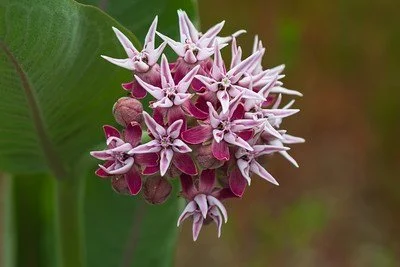
Be on the lookout for the forthcoming Manzanita, the first of two issues on milkweeds. Most of us know that milkweeds are critically important to the survival of monarch butterflies. There is a lot more to know! This issue of Manzanita will dive into some of the fascinating stories that swirl about these intriguing plants.

All Friends of the Regional Parks Botanic Garden receive Manzanita issues as a benefit of membership. Join today!

Showy milkweed (Asclepias speciosa). Photo by Sandy Steinman.


Plant Sales

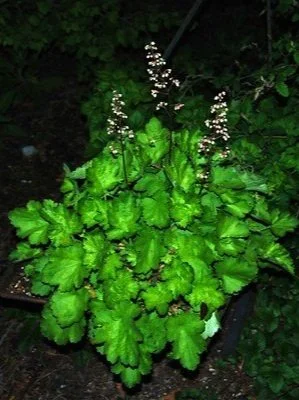
Island alumroot (Heuchera maxima) is the featured species this month.

A Channel Island native, Island Alumroot can thrive in dry shade and under oaks, but this adaptable plant can also do well in part or full sun on the coast. It requires little water once established. Inland gardeners will need to protect it from full sun and provide additional water. It spreads by rhizomes and forms 1 to 2-foot-tall mats. White to pink flowers grow in clusters on foot- long stems that rise above the 2 to 3-inch hairy, green leaves. This plant is larger overall than others in this genus. The propagators have many examples for sale in sizes ranging from 3-inch to 1-gallon pots.

Plant sales are held Wednesdays,10:00 a.m. to12:00 noon, and the first Saturday of every month, 10:00 a.m. to 2:00 p.m. Enter at the Garden’s West Gate, along Anza View Road. Current plant inventory is available on the Garden website.

Island alumroot. Photo by Pete Vielleux.


Garden Tours

You're invited to our free, docent-guided tours every weekend and on Park District holidays: Saturdays and Park District holidays at 2:00 p.m., and Sundays at 11:00 a.m. and 2:00 p.m. There will be a 2:00 p.m. tour on each of the February Presidents holidays: Wednesday, February 12, and Monday, February 17, 2025.

Meet at the Visitor Center, no need to sign up. Please remember, if it's raining, we'll have to cancel. 

 Read More 

Below: winter blooms in the Botanic Garden. Photos by Sandy Steinman.

Southern mountain misery (Chamaebatia australis).

Woolly bluecurls (Trichostema lanatum).

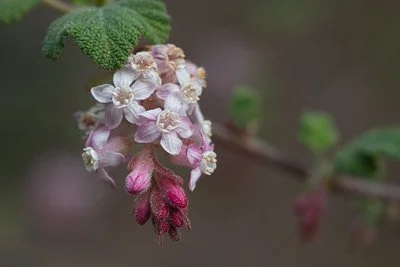
Chaparral currant (Ribes malvaceum).

Slinkpod or California fetid adder's tongue (Scoliopus bigelovii).


  JOIN    •    DONATE

Copyright © 2025 Friends of the Regional Parks Botanic Garden, All rights reserved.

facebook instagram flickr youtube

nativeplants.org

Regional Parks Botanic Garden, 1550 Wildcat Canyon Rd. , Berkeley, CA, 94708

Unsubscribe